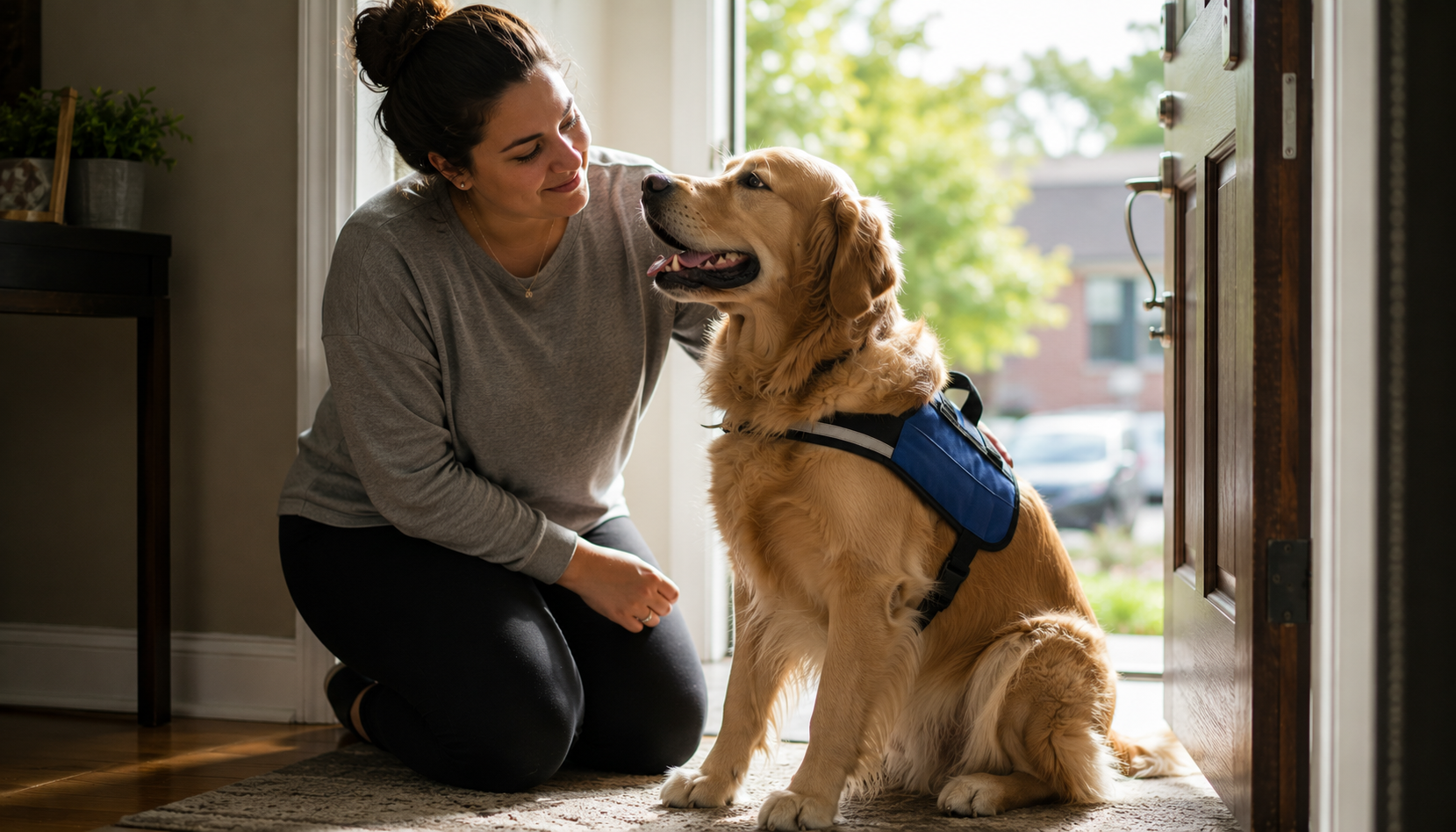
What Is a Service Dog? The ADA Definition in Plain English
A service dog is a dog individually trained to do work or tasks for a person with a disability. Training makes a service dog, not any card, certificate, or registration.
The ADA definition, in plain English
The Americans with Disabilities Act (ADA) defines a service animal as a dog that has been individually trained to do work or perform tasks for a person with a disability. That is the whole definition, and every word matters. The dog has to be trained, the training has to connect to a disability, and the result has to be actual work or a task the dog performs on command or in response to a situation.
A dog whose only role is to provide comfort by being present does not meet this definition, no matter how much that comfort helps. The line the ADA draws is between trained action and passive presence.
Any dog can qualify (it is about the training)
There is no approved breed list and no size requirement. A standard poodle, a mixed-breed shelter dog, and a small terrier can all be service dogs if they are trained to perform a task for a handler's disability. What matters is the work the dog does, not its pedigree or where it came from.
The ADA also allows people to train their own dogs. You generally do not have to go through a professional program, and you are not required to use a specific trainer or method. If you want a fuller walkthrough, see how to get a service dog.
Examples of work and tasks
Tasks are concrete, trained behaviors tied to a disability. Common examples include:
- Guiding a person who is blind or has low vision
- Alerting a person who is deaf or hard of hearing to sounds
- Pulling a wheelchair or retrieving dropped items
- Alerting to a seizure, or staying with the handler during one
- Detecting a drop or spike in blood sugar for a diabetic handler
- Interrupting a panic attack or a harmful repetitive behavior
- Applying deep pressure to calm a handler during distress
- Reminding a handler to take medication
A task does not have to look dramatic. A dog trained to nudge its handler when anxiety spikes is performing a task just as much as a guide dog crossing a street.
Who qualifies as a handler
Service dogs are not limited to one kind of disability. People with physical, sensory, psychiatric, intellectual, or other disabilities may use a service dog, as long as the dog is trained to do work or tasks related to that disability. A dog trained to help with a psychiatric condition such as PTSD is a service dog under the ADA, exactly like a guide dog is.
How a service dog differs from pets, ESAs, and therapy dogs
This is where most confusion starts. A pet provides companionship but no trained task. An emotional support animal (ESA) provides comfort through its presence but is not trained to perform a specific task, so it does not have ADA public access rights. A therapy dog visits places like hospitals and schools to comfort other people, which is wonderful work, but it also does not get public access rights as a service dog does.
Only service dogs have the right to accompany their handler into places open to the public, such as stores, restaurants, and hotels. For a side-by-side breakdown, read service dog vs ESA vs therapy dog.
The myth: buying a card does not make a dog a service dog
Here is the part the rest of this industry will not tell you plainly. No registration, certificate, ID card, patch, or vest turns a dog into a service dog. The ADA does not recognize any national registry, and businesses are not allowed to require documentation. A dog becomes a service dog through training, and only through training.
If a website implies that paying a fee makes your dog "officially" a service dog, that claim is false. The status comes from the work the dog is trained to do.
Because there is no required paperwork, staff at a business may only ask two specific questions: whether the dog is required because of a disability, and what work or task the dog has been trained to perform. They may not ask about your disability or demand proof. We cover this in detail in the two questions businesses can legally ask, and we explain why no paperwork is mandatory in do service dogs have to be registered.
So where does an ID card fit in?
An ID card or registration is purely optional. Some handlers like carrying one because it can make the two questions go faster and feel less confrontational, the same way a printed note can. That is a convenience, nothing more. If you want that kind of tool, you can see our voluntary ID card plans, just know it does not grant any rights and is never required by law.
Common questions
What is the ADA definition of a service dog?
A service dog is a dog that is individually trained to do work or perform tasks for a person with a disability. The work or task must be directly related to the person's disability. This is the definition used by the Department of Justice under the Americans with Disabilities Act.
What is the difference between a service dog and an emotional support animal?
A service dog is trained to perform specific tasks and has public access rights under the ADA. An emotional support animal provides comfort through its presence but is not trained to perform tasks, and it does not have ADA public access rights. The distinction is task training.
Can any breed be a service dog?
Yes. The ADA places no restriction on breed. Any breed or mix can be a service dog if it is individually trained to perform a task and behaves appropriately in public. Temperament and training matter far more than breed.
Does a service dog have to wear a vest to be a service dog?
No. What makes a dog a service dog is task training, not any vest, card, or certificate. A dog with no gear at all is still a service dog if it meets the ADA definition.
Key terms explained
- Service dog
- A dog individually trained to perform tasks for a person with a disability, with public access rights under the ADA.
- Emotional support animal
- An animal that provides comfort by its presence but is not task-trained and has no ADA public access rights.
- Public access rights
- The right of a service dog team to enter places open to the public, granted by the ADA.
- Disability
- A physical or mental impairment that substantially limits one or more major life activities, as defined by the ADA.
Written and reviewed by the ADA Service Dog Team
VerifiedADA Service Dog is operated by NS Design ID Cards, the team behind assistancedogregistry.co.uk and esasupport.co.uk, supporting assistance dog handlers since 2020 with over 20,000 ID cards shipped. Our guidance is grounded in the Americans with Disabilities Act and current Department of Justice, DOT, and HUD guidance. Registration is voluntary, and we always say so honestly.
Important
This article is general orientation, not legal advice. For your specific situation, contact the ADA Information Line at 1-800-514-0301 or a disability rights attorney. ADA Service Dog Registry is a voluntary handler identification platform, not affiliated with the ADA, DOJ, or any US government agency.
Keep reading
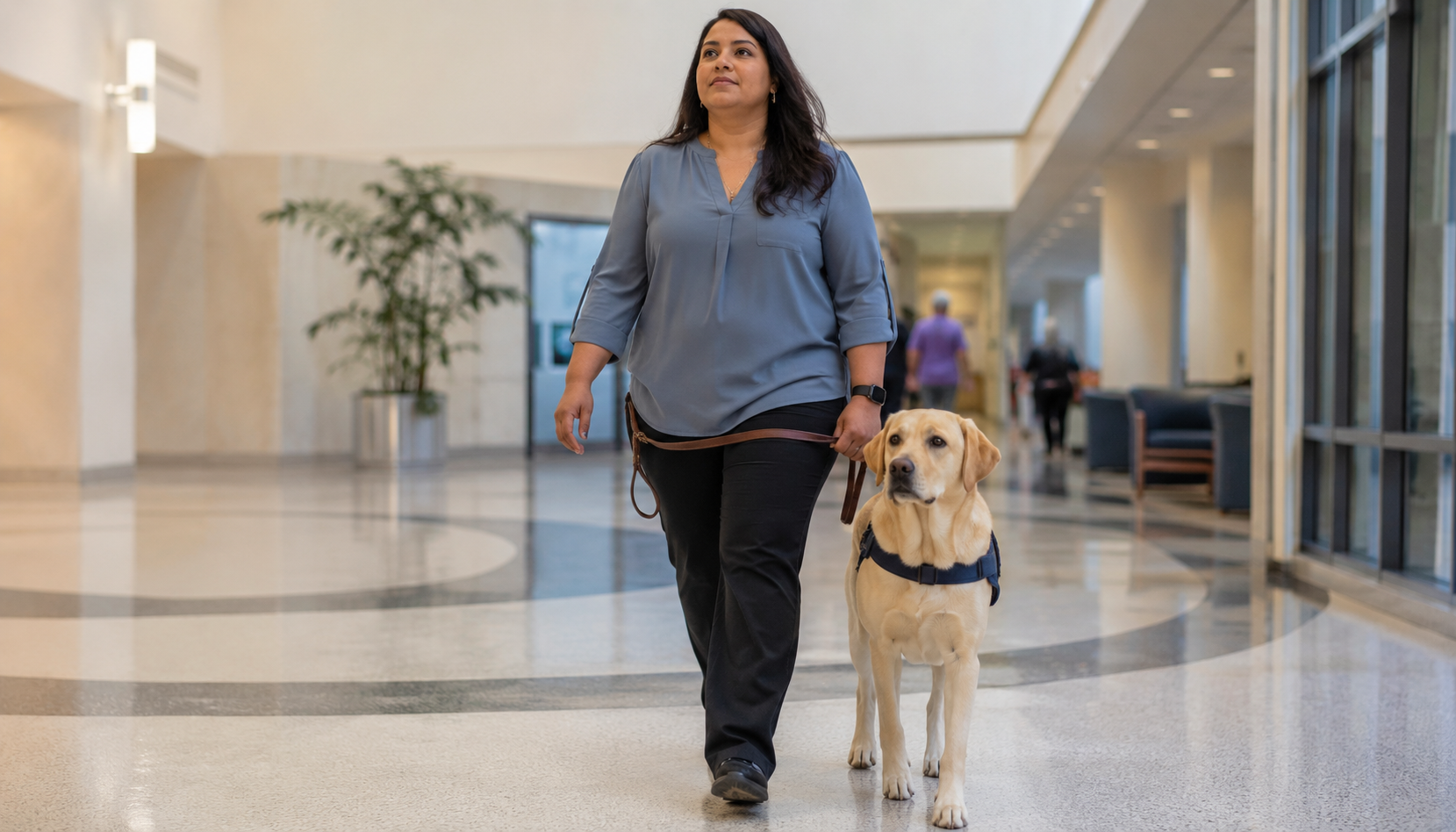
Service Dog Requirements in 2026: What the ADA Actually Requires
The ADA has one real service dog requirement: a handler with a disability and a dog trained to do a task. No c...
Read →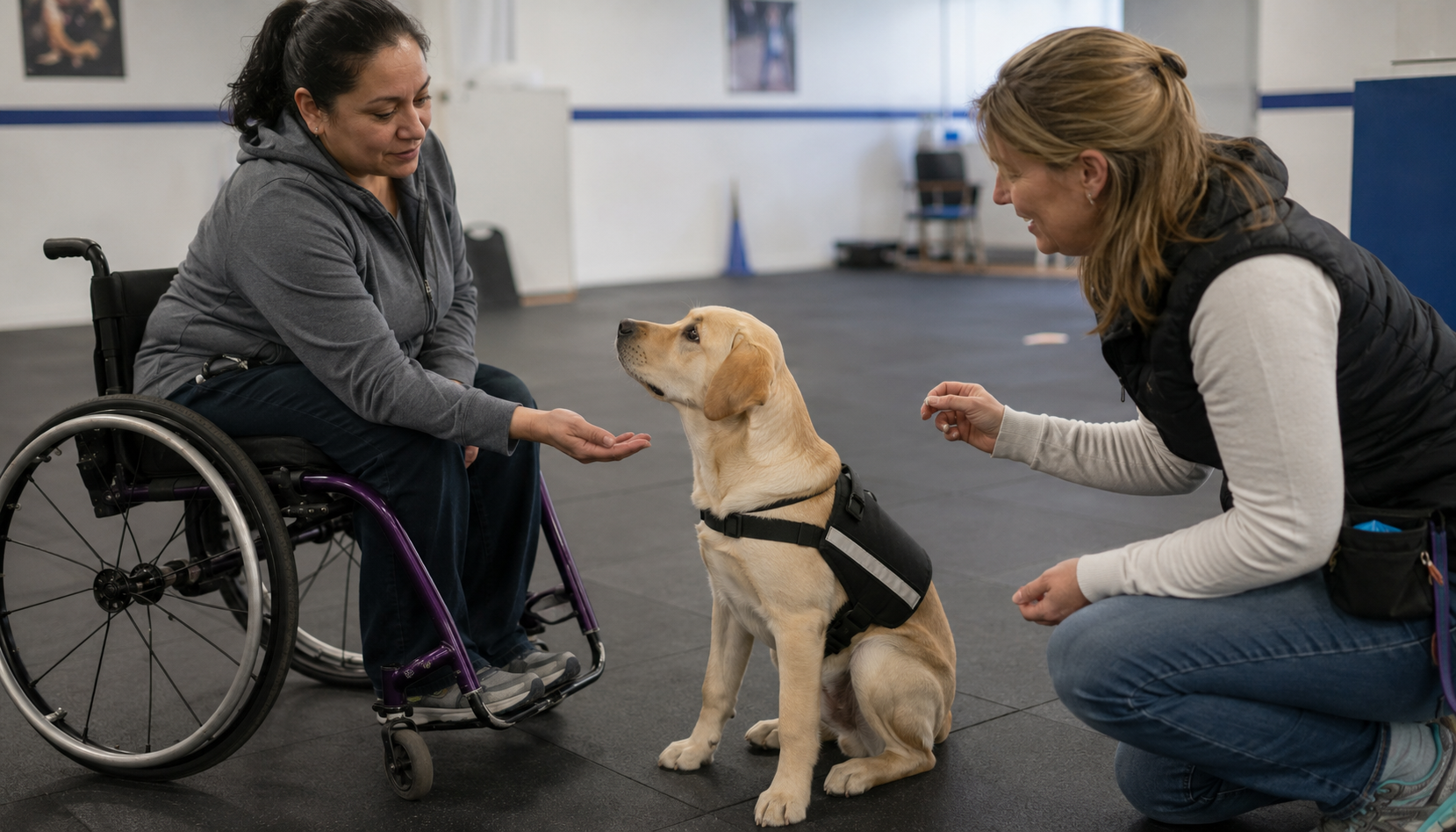
How to Get a Service Dog: The Real Paths and What Each Involves
Four honest ways to get a service dog: an accredited program, a hired trainer, owner-training, or choosing the...
Read →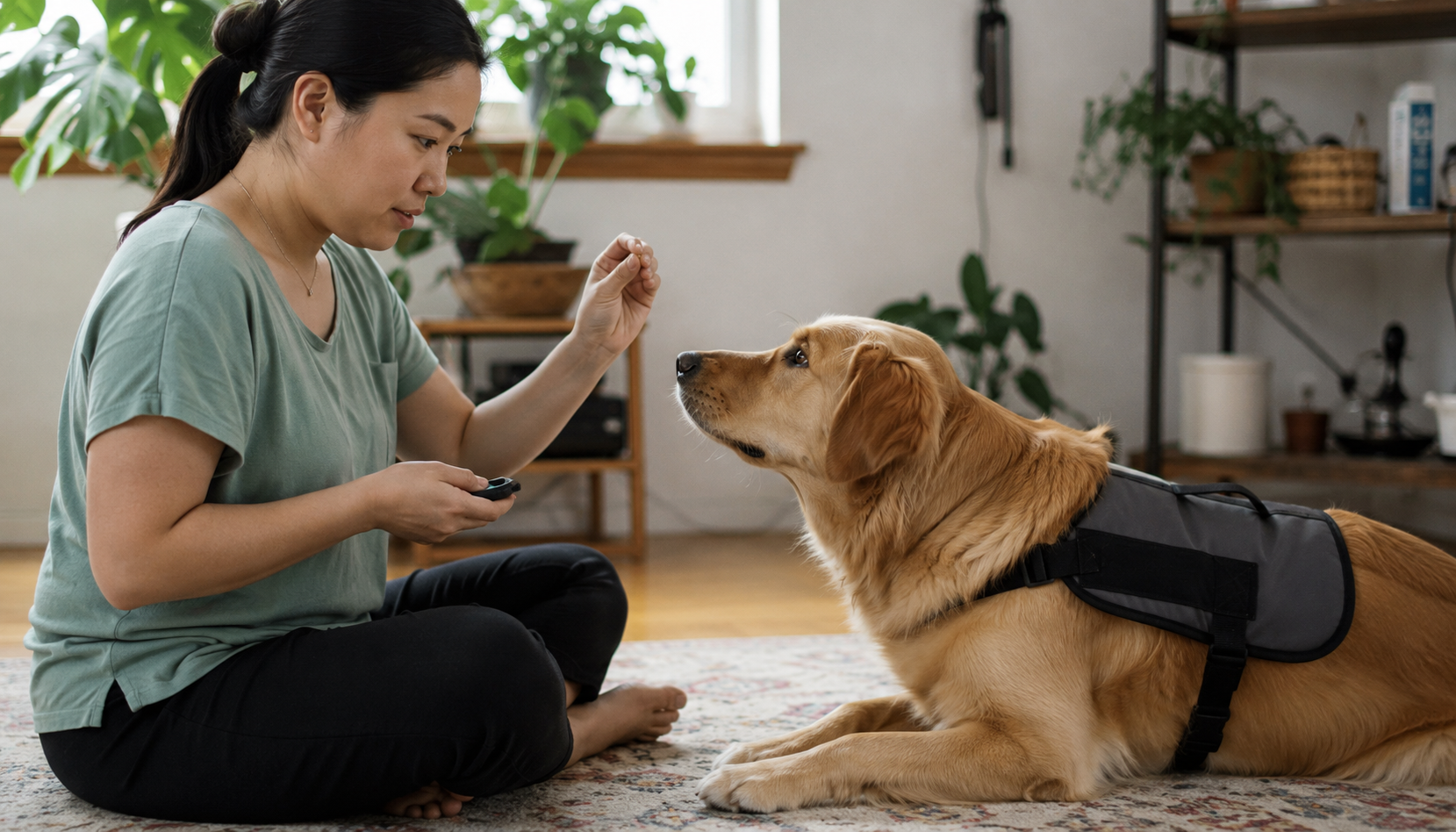
How to Make Your Dog a Service Dog: The Honest, Legal Answer
You do not make a service dog by registering it, buying a vest, or getting a certificate. You make one through...
Read →Get the card. Skip the explanations.
Digital handler ID + AI ADA Coach + state-specific rules from $4.99/mo. 30-day money-back guarantee on lifetime plans.
See plans →